
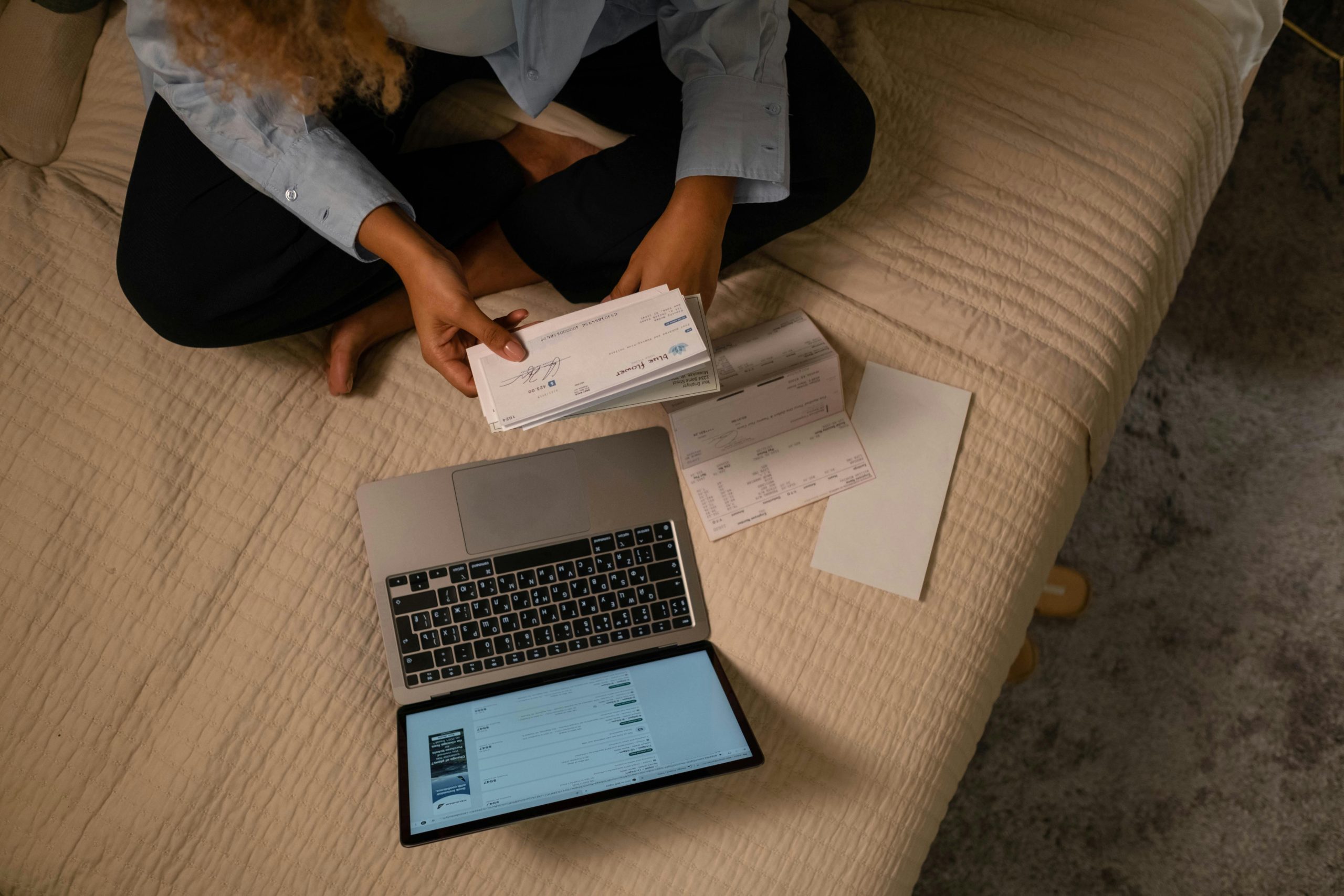
It’s a frustrating cycle. You need a bank account to manage your money, pay bills, and get your paycheck, but a past banking mistake is keeping you from getting approved. If you’ve been denied a checking account, you’re not alone, and there is a way forward. It’s called a second-chance checking account, and it’s designed specifically for people who are ready to rebuild their financial health.
This guide will walk you through everything you need to know, from understanding the system that flagged you to finding the best account to get you back on track.
Quick Answers: Your Path to a New Bank Account
- What is a second-chance account? It’s a type of checking account designed for individuals who can’t qualify for a standard account due to a negative banking history, often recorded in a ChexSystems report.
- Why would I need one? If a bank has closed your account in the past for having a negative balance for too long or for bouncing too many checks, you likely have a negative ChexSystems report. Most banks check this report when you apply for a new account.
- What are the best options? Many online banks and fintech companies like Chime and Varo don’t use ChexSystems, making them great starting points. Traditional banks like Wells Fargo also offer checkless accounts, such as their Clear Access Banking, which can be a solid alternative.
- Can I fix my banking record? Yes. Negative marks on your ChexSystems report generally stay for five years. You have the right to get a free copy of your report annually and dispute any errors you find.
Understanding the Hurdle: What is ChexSystems?
Think of ChexSystems as a credit bureau for bank accounts. Financial institutions report information about how customers manage their deposit accounts. If you’ve had an account closed by a bank for mishandling it—like repeated overdrafts, unpaid negative balances, or suspected fraud—it will likely be reported to ChexSystems.
When you apply for a new checking account, most banks and credit unions pull your ChexSystems consumer report. A negative record can signal risk to the bank, often leading to a denial. This can leave you feeling stuck, especially when you’re trying to get your finances in order.
How to Get Your ChexSystems Report
Knowledge is power. The first step in fixing the problem is knowing exactly what’s on your report. Under the Fair Credit Reporting Act (FCRA), you are entitled to a free copy of your report once every 12 months.
You can request your free report in a few ways:
- Online: Visit the ChexSystems website directly.
- Phone: Call them at 800-428-9623.
- Mail: Fill out a request form from their website and mail it in.
Once you get your report, review it carefully. If you see errors or debts you’ve already paid, you have the right to dispute them. The Consumer Financial Protection Bureau (CFPB) ensures that ChexSystems must investigate your dispute and correct or delete any inaccurate, incomplete, or unverifiable information, usually within 30 days.
2025’s Top Second-Chance and ChexSystems-Friendly Accounts
The good news is that more and more financial institutions are offering products for people with past banking issues. Some don’t use ChexSystems at all, while others have specific accounts designed for a fresh start.
Here’s a comparison of some of the best options available:
| Institution | Account Name | Monthly Fee | How to Waive Fee | Minimum Deposit | Key Features |
| Chime | Chime Checking | $0 | N/A | $0 | No ChexSystems check, get paid up to 2 days early, no overdraft fees with SpotMe®. |
| Varo Bank | Varo Bank Account | $0 | N/A | $0 | No ChexSystems check, get paid up to 2 days early, high-yield savings available. |
| Wells Fargo | Clear Access Banking | $5 | Primary account owner is age 13-24. | $25 | Checkless account (no paper checks), no overdraft fees, access to 10,000+ ATMs. |
| Excite Credit Union | Fresh Start Checking | $15 | Not waivable. | $50 | Access to 30,000+ surcharge-free ATMs, online & mobile banking. |
| Navy Federal CU | Free eChecking | $0 | Have monthly direct deposit. | $0 | Available to military members, veterans, and their families; no ChexSystems check. |
Money Fox may earn a commission if you sign up through links on our site, but our analysis and opinions are our own.
A Closer Look at Your Options
Let’s dig into a few of these to see how they work for someone trying to rebuild.
Fintechs: Chime and Varo
Companies like Chime and Varo are not technically banks themselves but financial technology companies that partner with FDIC-insured banks. Their biggest advantage is that they often don’t use ChexSystems to approve applicants.
- Pros: This makes them one of the easiest ways to get back into the banking system. They are known for user-friendly mobile apps, features like getting your paycheck early, and having no monthly fees or minimum balance requirements.
- Cons: They don’t have physical branches, so all your banking is done online or through their app. If you need to deposit cash, you’ll often have to do it through a retail partner, which can sometimes come with a fee.
Traditional Banks: Wells Fargo Clear Access Banking
This account is a great example of how big banks are adapting. The Clear Access account is “checkless,” meaning you can’t write traditional paper checks.
- Pros: Because you can’t write checks and overdrafts are not permitted, the risk for the bank is much lower. This makes it easier to get approved even with a rocky banking history. You also get the security and convenience of a large branch and ATM network.
- Cons: There’s a $5 monthly fee unless you are between 13 and 24 years old. You’ll also need $25 to open the account.
Credit Unions: A Community Approach
Credit unions are non-profit organizations owned by their members. Many are founded on the principle of serving their communities and can be more forgiving of past financial struggles.
- Pros: Some credit unions offer specific “Fresh Start” or “Second Chance” accounts. While these might come with a monthly fee (like the $15 fee at Excite CU), they often provide a path to “graduate” to a standard, no-fee account after 12-24 months of positive banking history.
- Cons: You have to meet membership eligibility requirements, which are often based on where you live, work, or belong to a certain group. Their monthly fees for second-chance products can also be higher than other options.
A Rebuilder’s Story: From Denial to Direct Deposit

Imagine this: You’re Maria, a 35-year-old gig worker. A few years ago, after a major medical bill and a period of unsteady income, your old bank account was closed with a negative balance of $200. You paid it off eventually, but the damage was done. Now, you’re trying to get a car loan to make your delivery job more reliable, but lenders want to see stable banking history, and you keep getting denied for a new account.
The constant rejections feel embarrassing and defeating. For a Credit Rebuilder like Maria, this isn’t just an inconvenience; it’s a roadblock to bigger goals.
This is where a second-chance account becomes a foundational tool. By opening an account with a fintech like Varo, Maria can immediately get a routing and account number. She can set up direct deposit for her gig work, which not only gets her paid faster but also starts building the positive transaction history that future lenders want to see. She can use the debit card to manage daily expenses and the app to track her spending. It’s the first, solid step toward proving she’s back in control and ready to handle credit responsibly.
Frequently Asked Questions (FAQ)
1. Do all banks use ChexSystems?
No, but a majority of them do. Most fintech companies and some online-only banks do not pull a ChexSystems report, which is why they are often recommended as second-chance options.
2. How long will I be on the ChexSystems list?
Negative information is typically reported for five years from the date of the incident. After five years, it should automatically be removed from your report.
3. Can I get a second-chance account with no opening deposit?
Yes. Many of the most popular options, including Chime and Varo, have no minimum opening deposit requirement.
4. Are online banks safe for second-chance accounts?
Absolutely. As long as the financial institution is partnered with an FDIC-insured bank (which all reputable ones are), your money is protected up to $250,000. Chime, for example, partners with The Bancorp Bank, N.A. or Stride Bank, N.A., which are FDIC members.
5. Will a second-chance account help my credit score?
A checking account itself does not directly impact your credit score, as banking history is separate from your credit history with bureaus like Experian, Equifax, and TransUnion. However, having a stable account is crucial for managing your money, paying bills on time, and avoiding late fees that can hurt your credit.
6. What happens if I’m denied a second-chance account?
If you’re denied, the institution must provide you with an “adverse action notice” that tells you why and lists the reporting agency they used (e.g., ChexSystems). This gives you another opportunity to pull your report for free and see what’s causing the issue. If you’re still stuck, look into prepaid debit cards as a temporary tool while you work to resolve the issues on your report.
Take the Next Step in Your Financial Comeback
Getting turned down for a bank account can feel like a major setback, but it doesn’t have to be the end of the story. By understanding the system and choosing the right second-chance account, you can lay a new foundation for your financial life. This is a critical step in the rebuilding process, enabling you to manage your cash flow, pay down debt, and work toward your long-term goals.
Ready to see how a solid plan can accelerate your journey? Use the Money Fox Debt Payoff Simulator to see how you can tackle old debts and build a brighter financial future, starting today.
Leave a Reply