

It feels like they’ve been around forever, but that little plastic card in your wallet has a fascinating and surprisingly recent history. From a forgotten wallet to a global payment system, the story of the credit card is about more than just money—it’s about convenience, innovation, and the changing way we think about buying things.
For anyone just starting their credit journey, understanding where this all came from can make the whole concept feel a lot less intimidating. Let’s pull back the curtain on the history of the credit card.
The Short Answer: How Did Credit Cards Start?
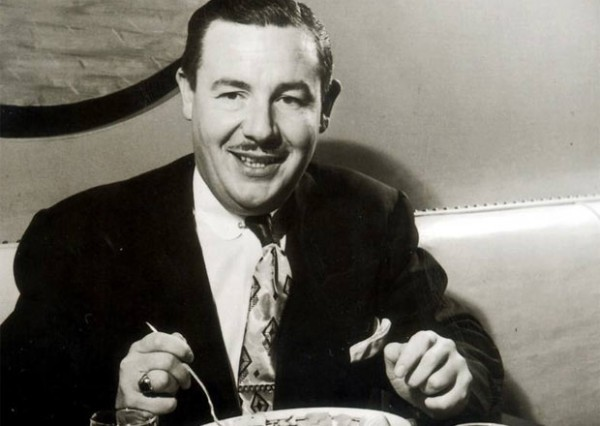
- The Big Idea: The modern credit card was born from an awkward moment. In 1949, a businessman named Frank McNamara forgot his wallet while at a business dinner. This led him to create the Diners Club card in 1950, a way for members to charge meals at multiple restaurants and pay the bill later.
- Before the Card: The idea of “buy now, pay later” wasn’t new. For decades, individual stores offered “charge coins” or “Charga-Plates” to their loyal customers. But these only worked at one specific store. The Diners Club card was the first to be accepted at various merchants.
- Banks Jump In: Seeing the success, banks got involved. In 1958, Bank of America launched the BankAmericard, the first general-purpose credit card that allowed users to carry a balance from month to month (this is called revolving credit). This card would eventually evolve into the global brand we know as Visa.
- Going Plastic and Global: Early cards were often made of cardboard. American Express introduced the first plastic card in 1959. Technology like the magnetic stripe, developed by IBM in the 1960s, made transactions faster and more secure, paving the way for the worldwide credit system we use today.
Money Fox may earn a commission if you make a purchase or sign up through links on our site. This helps us keep our content free and our advice honest. We only recommend products we believe in.
From Local IOUs to a Wallet-Sized Revolution
It’s easy to take for granted the ability to tap a card and walk out with your groceries. But before the 1950s, your payment options were pretty much limited to cash or checks. The idea of credit existed, but it was a very local and personal affair.
The Early Days: Coins, Plates, and Store Tabs
Long before Visa or Mastercard, the seeds of credit were being planted. In the late 1800s and early 1900s, some department stores, hotels, and gas stations began offering “charge coins” or metal “Charga-Plates” to their most trusted customers.
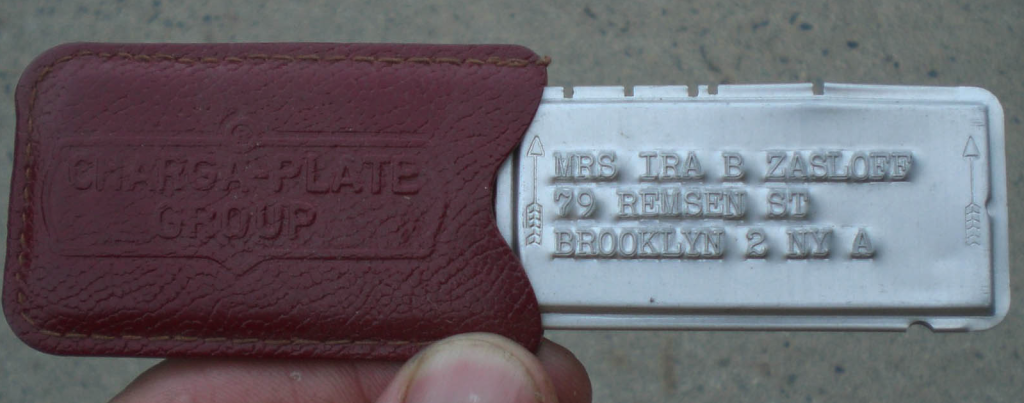
Imagine a small metal coin or plate with your account number stamped on it. When you made a purchase, the clerk would use it to imprint your information on the sales slip. You’d get a bill later. It was a step towards cashless buying, but it had a major limitation: each plate or coin only worked at the single merchant that issued it. If you wanted to shop on credit at five different stores, you’d need five different plates jangling in your pocket.
A key step toward a more unified system came in 1946 from a Brooklyn banker named John Biggins. He created the “Charg-It” card for his bank, Flatbush National Bank. Customers could use this card at various local businesses near the bank. The merchants would send the sales slips to the bank, which paid the merchant and then billed the customer. This was one of the first systems where a bank acted as the middleman, a core concept of modern credit cards. Still, its use was confined to a tiny, two-block radius in Brooklyn.
The “First Supper” and the Birth of the Diners Club
The true lightbulb moment for the modern credit card is a story that has become a legend in the financial world. In 1949, a New York businessman named Frank McNamara was hosting a dinner at Major’s Cabin Grill. When the check came, he reached for his wallet… and realized he had forgotten it. The embarrassment of that moment sparked an idea.
McNamara resolved to create a solution so this would never happen again. A year later, in February 1950, he returned to the same restaurant with his partner, Ralph Schneider. He paid for his meal with a small, cardboard card: the Diners Club Card. This event is often called the “First Supper” of the credit card era.
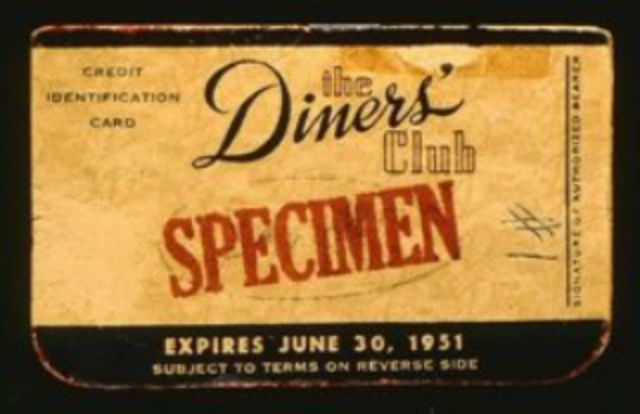
What made the Diners Club card revolutionary? It was a “general purpose” charge card. Instead of being tied to a single store, it could be used at a network of participating restaurants. Members paid an annual fee to join the club, and in return, they could dine out without cash. They would be billed monthly by the Diners Club and were required to pay the balance in full. It wasn’t truly a “credit” card in the way we think of it now (with revolving balances), but it was the first time one card could be used in many places.
The idea took off among the business elite of New York. Within a year, the Diners Club had tens of thousands of members and was accepted at dozens of establishments.
The Banks Take Over: BankAmericard and Master Charge
The success of Diners Club and American Express (which launched its own charge card in 1958) did not go unnoticed by the banking industry. Banks saw a massive opportunity to go beyond simple charge cards and offer something even more powerful: revolving credit.
This is the key difference between a charge card and a credit card:
- Charge Card: You must pay the balance in full every month.
- Credit Card: You have the option to carry a balance from one month to the next, paying interest on the amount you owe.
In 1958, Bank of America took a bold and risky step. They conducted what became known as the “Fresno Drop.” They mass-mailed 60,000 unsolicited, active BankAmericard credit cards to residents of Fresno, California. It was the first successful general-purpose credit card that allowed users to carry a balance.
The launch was chaotic. Fraud was high, and many people were confused by this new financial product. But the experiment ultimately worked. People loved the flexibility. The BankAmericard system was eventually licensed to other banks across the country and, in 1976, was renamed to the much simpler and more global-sounding “Visa.”
Seeing the rise of BankAmericard, a group of competing California banks formed their own alliance in 1966 called the Interbank Card Association (ICA). Their card was called the “Master Charge.” Like Visa, it grew by licensing its brand to banks around the world and eventually rebranded in 1979 to “Mastercard.”
How Technology Shaped the Card in Your Pocket
The idea was solid, but technology was the engine that turned the credit card from a niche product into a global necessity.
| Innovation | Approx. Year | What It Did | Why It Mattered |
| Plastic Cards | 1959 | American Express replaced cardboard cards with more durable plastic. | Made cards last longer and feel more substantial and secure. |
| Magnetic Stripe | 1969 | IBM developed a way to encode card information onto a magnetic stripe on the back of the card. | Revolutionized transaction speed and security, moving from manual paper imprints to electronic swipes. |
| EMV Chip | 1990s | A microchip was embedded in the card, creating a unique transaction code each time it’s used. | Drastically reduced counterfeit fraud compared to the easily clonable magnetic stripe. Became standard in the U.S. in the mid-2010s. |
| Contactless (NFC) | 2000s | Near-Field Communication (NFC) technology allowed for “tap-to-pay” transactions. | Increased convenience and speed for small purchases, and enhanced security as the card never leaves your hand. |
These technological leaps, combined with the passage of important consumer protection laws like the Equal Credit Opportunity Act of 1974 (which prohibited discrimination in lending based on sex, race, etc.), created the credit card ecosystem we know today.
A Story for the “Credit Newcomer”
Let’s talk about Maria. Maria is 22 and just landed her first full-time job after college. She’s a classic Credit Newcomer. Everyone she knows has a credit card, and she feels a bit of FOMO. She gets offers in the mail, but words like “APR” and “annual fee” are confusing, and she’s anxious about getting rejected or scammed.
Learning this history helps Maria understand that credit cards weren’t just invented to get people into debt. They were invented to solve a problem: the inconvenience and risk of carrying a lot of cash. The first cards were for convenience. The ability to carry a balance came later.
This perspective shift is huge. For a newcomer, a credit card isn’t just a scary tool for borrowing. It’s a modern version of that original Diners Club idea—a secure and convenient way to pay for things. Understanding that it evolved from simple charge-it-and-pay-it-off systems makes the concept of a secured card, where you put down a deposit, make much more sense. It’s like you’re using the bank’s system but securing it with your own money, just like the original cardholders were trusted members of a “club.” It’s the first step to building trust with the financial system.
Frequently Asked Questions (FAQ)
1. Who actually invented the credit card?
While many people contributed, Frank McNamara is widely credited with inventing the first modern, general-purpose charge card, the Diners Club card, in 1950. However, John Biggins created a bank-issued card called “Charg-It” in 1946, though it was for a very small, local area.
2. Was the first credit card really made of cardboard?
Yes! The first Diners Club cards issued in 1950 were made of cardboard. American Express was the first to introduce more durable plastic cards in 1959.
3. When did banks start offering credit cards with revolving balances?
Bank of America launched the BankAmericard in 1958, which was the first popular and successful credit card to allow consumers to carry a balance from month to month, instead of having to pay it all off. This is what we now consider a standard feature of credit cards.
4. Why is Visa called Visa?
The original name was BankAmericard. As the card began to be licensed internationally, the company wanted a name that was simple, memorable, and sounded the same in many languages. They rebranded to “Visa” in 1976.
5. What was the point of the magnetic stripe?
Before the magnetic stripe, a clerk had to take a physical imprint of your card’s embossed numbers onto a carbon-paper slip. It was a slow, manual process. The magnetic stripe, developed by IBM in the late 1960s, stored your account information digitally, allowing for much faster and more secure electronic transactions.
6. Could anyone get a credit card in the early days?
No. In the very beginning, cards like the Diners Club were for a select group of wealthy businessmen. Even as cards became more widespread, it was difficult for many people, particularly women and minorities, to get approved. The Equal Credit Opportunity Act of 1974 was a landmark law that made it illegal for creditors to discriminate against applicants.
7. Are charge cards still a thing?
Yes, though they are less common. Some premium cards, particularly from American Express, are still structured as charge cards where you are expected to pay the balance in full each month.
Ready to Start Your Own Credit History?

Understanding the past is the first step to confidently building your future. The credit card evolved from a simple tool for convenience into a complex financial product. For someone new to credit, the journey starts just like it did in the old days: by building a reputation for paying on time.
If you’re feeling that newcomer anxiety, you’re not alone. The key is to start smart. You don’t need a fancy travel rewards card—you need a simple, clear, and easy-to-manage first card.
Check out the Money Fox’s other articles. They are written to help you build a positive credit history from scratch. Take the first step from “confused” to “in control.”
Leave a Reply